IN OUR WORLD, CREATIVITY AND PERSEVERANCE COME NATURALLY
The only thing that luxurious super-yachts, hard-working offshore installations and navy ships appear to have in common at first glance is the deep water under them. These different environments demand a totally different focus in the purchase of a lift. The maritime architect seeks an aesthetic and timeless solution, whereas the offshore primarily asks for a reliable and safe design, and the navy needs absolute functionality.
Look a bit deeper than the key points for a client and you discover that it is the knowledge you gather in one industry that makes you the leader in the next.
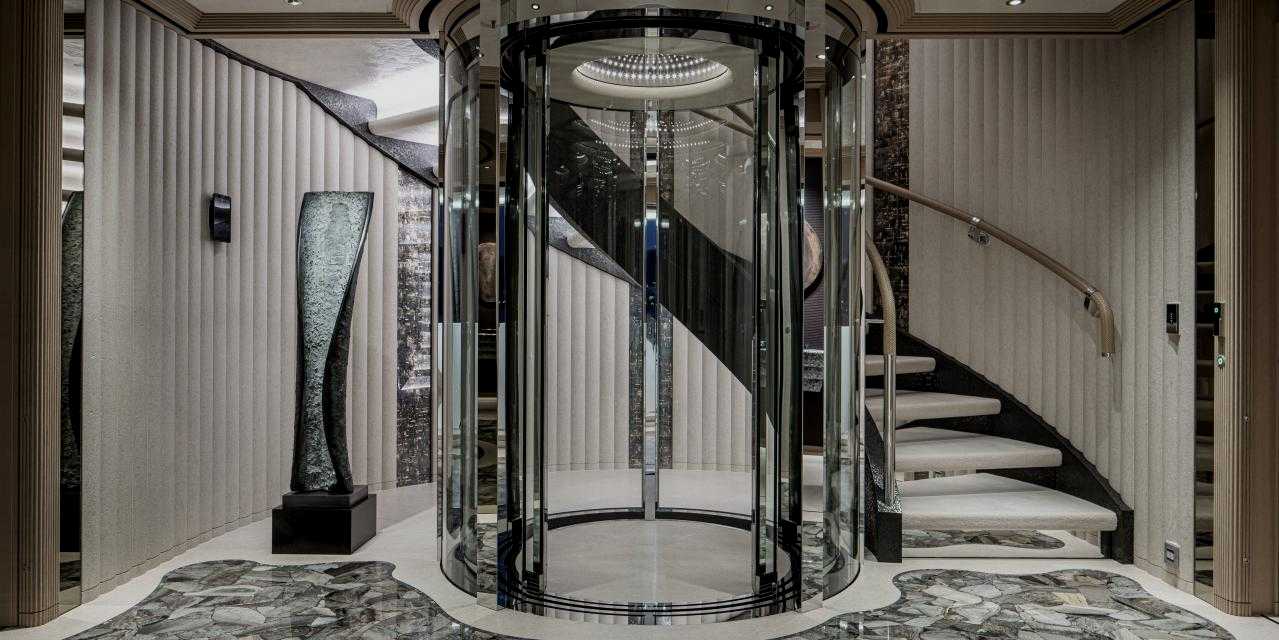
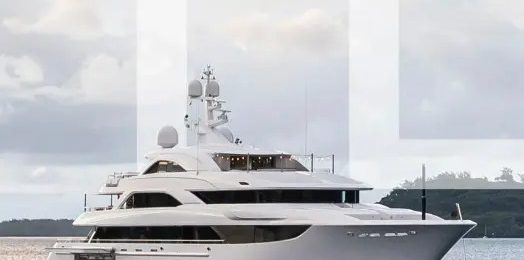
Our superyacht lifts are a combination of luxury and functionality. We design custom yacht lifts, from glass cylindrical lifts that offer beautiful panoramic views to dumbwaiters that optimise onboard operations.
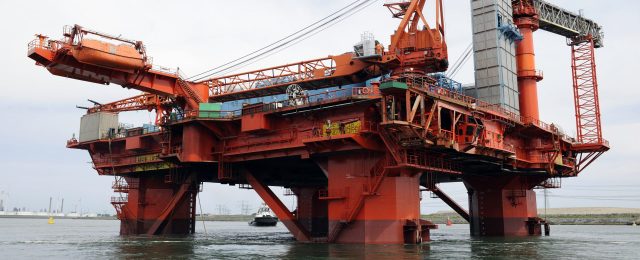
We ensure our offshore lifts are designed so they can withstand the marine environment. All safety features of our crew and cargo lifts are up to date and guarantee smoother, reliable offshore operations.
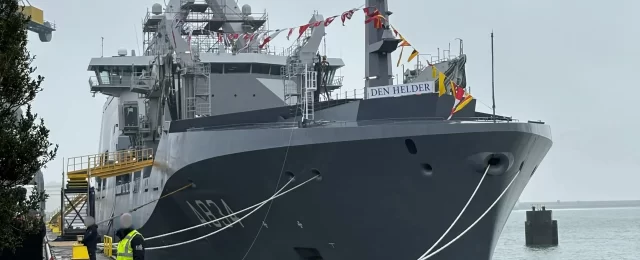
We ensure our naval lifts meet the strictest technical requirements ensuring that they can overcome the extreme challenges of the navy. Our lifts are practical, safe and reliable, with a focus on mobility.
Marine Lift Frequently Asked Questions
What engineering factors must be considered when designing a marine lift system for a superyacht or offshore vessel?
Marine lift design must account for vessel motion, structural flex, space constraints, load paths, hydraulic routing, power supply, noise and vibration control, and compliance with applicable offshore standards and class rules. Early design coordination ensures optimal shaft positioning, safe load transfer into the vessel structure and long-term service accessibility.
What hydraulic system checks are included in lift annual maintenance?
Planned annual maintenance includes oil condition checks, pressure testing, cylinder inspection, hose integrity, valve performance and pump efficiency. These checks help prevent failures caused by vibration, motion, and salt-laden environments.
What failure modes are most commonly identified during lift inspections in marine environments?
Common findings during lift-safe inspections include hydraulic seal wear, hose degradation, guide shoe wear, door interlock misalignment, corrosion at landing interfaces and control faults due to vibration and moisture ingress.
Can lift control systems be modernised during refit without replacing the full lift platform?
Yes, we can upgrade control systems, safety circuits and hydraulic components during refit without replacing the entire lift system, improving compliance and reliability while minimising structural work.
How are fire-rated lift components and shaft interfaces inspected for compliance?
For installations requiring a fire-rated lift, inspections verify fire-rated doors, shaft boundaries, penetrations and control interfaces, ensuring integration with the vessel’s fire detection and emergency systems.
OUR CLIENTS RANK AMONGST THE TOP OF THE WORLD IN THEIR FIELD.