
Different Lift Design Options: Engineering Marine Elevators
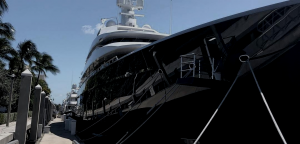
Designing a marine lift requires a highly specialised and experience-led approach. Each project is developed around the vessel’s layout, operational needs, and environmental constraints. This ensures every lift system is engineered for safety, reliability, and performance, while meeting the specific demands of yachts, offshore vessels, and naval ships.
Find the answers to all your marine lift questions
Initial Configuration in Marine Elevator Design
Every marine lift design begins with gathering key technical details. We work closely with clients to define:
- Number of decks the lift will serve
- Door locations and access points
- Available shaft space
- Machine room position
This early-stage planning is critical to ensuring the lift system is both feasible and optimised for the vessel. Based on these inputs, we select the most suitable marine lift drive system, including:
- Hydraulic systems
- Drum systems with steel ropes
- Traction systems with counterweights (for higher-rise applications)
The choice of system depends on lift height, spatial limitations, and operational requirements, reflecting our expertise in delivering tailored marine elevator solutions.
Marine Lift Design Across Different Vessel Types
Marine lift design varies depending on the application, with each sector requiring a different engineering focus.
For superyachts, we prioritise aesthetics, space optimisation, and low-noise operation. Lift systems must integrate seamlessly into high-end interiors, often incorporating bespoke finishes such as polished steel or bronze. In some cases, decorative elements are manufactured externally and installed during construction, ensuring both visual quality and technical precision.
In offshore and naval environments, the emphasis shifts to durability, strength, and reliability. These marine lift systems are designed to handle heavier loads and operate consistently in demanding conditions, where performance and safety are critical.
Check out HML’s variety of lift products
Overcoming Space Constraints in Marine Elevator Systems
Limited space is one of the most common challenges in marine lift design. Unlike land-based installations, vessels often have strict dimensional constraints that directly impact lift configuration.
We address this by carefully assessing available space early in the project. Where minimum requirements cannot be met, adjustments must be made, either by modifying the lift dimensions or adapting the surrounding structure. Structural elements such as stiffeners and insulation can further reduce usable space, requiring precise engineering solutions.
This problem-solving approach demonstrates our technical authority in delivering custom marine elevator designs within complex environments.
Balancing Aesthetics with Engineering Requirements
In yacht projects, lift concepts often begin with a strong visual focus. However, these designs must be adapted to include essential technical components such as guide rails and door mechanisms.
We play a key role in translating these concepts into fully functional marine lift systems, ensuring compliance with safety requirements while maintaining the intended design. This balance between creativity and engineering expertise is central to successful lift integration.
Custom Features and Bespoke Lift Design
Marine lifts, particularly in the luxury sector, often include bespoke features tailored to the vessel. These can include:
- Polished stainless steel finishes on visible lift surfaces
- Bronze finishes used for interior detailing
- Glass lift designs, creating a more open and visually integrated feature onboard
- Decorative panels and finishes
Each feature is engineered to ensure it does not impact the lift’s performance or safety, reinforcing our commitment to precision, quality, and reliability.
The HML Marine Elevator Design Process
We follow a structured and collaborative design process to ensure accuracy and efficiency:
- 2D layout development to define the lift arrangement
- 3D modelling to integrate all components within the vessel structure
- Production drawings for manufacturing
- Component fabrication by specialist suppliers
- On-site installation coordinated with the shipyard
Close collaboration with shipyards is essential, as installation must align with construction timelines. Certain components need to be installed before sections of the vessel are closed, making planning and communication critical.
Different lift design options in the marine sector are shaped by technical constraints, vessel type, and client requirements. From selecting the right drive system to integrating bespoke finishes, each solution must be carefully engineered to deliver safe, reliable, and high-performance marine lift systems.
Our experience in designing lifts for superyachts, offshore platforms, and naval vessels highlights the importance of expertise, precision, and collaboration in achieving successful outcomes.
Contact HML for your custom lift design