
Blog
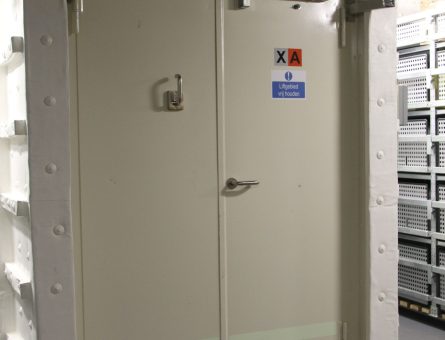
Fire, Flooding, and Fail-Safe Designs of Marine Lifts
A marine lift has to do much more than move people or equipment between decks. It operates within a vessel that is constantly moving, often with limited space, while potentially being exposed to water, humidity, vibration, power loss and even fire.
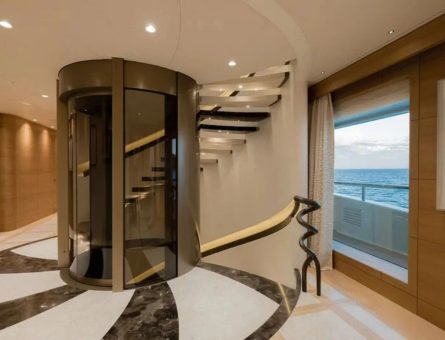
How Marine Lift Smart Controls Improve Performance
Every year at the Monaco Yacht Show, we speak with yacht builders, designers, and project managers about the future of marine engineering. While many conversations naturally focus on beautiful interiors and innovative design, one area continues to evolve quietly behind the scenes: marine lift technology.
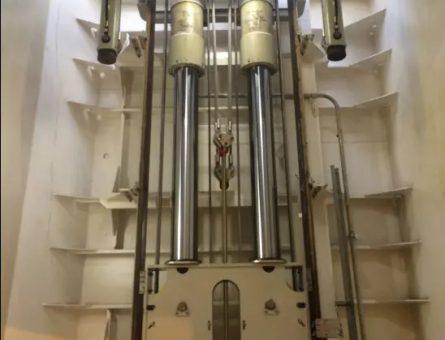
Bespoke Lift Design in Space-Constrained Vessels
Designing lifts for a vessel is unlike designing a lift for a building. Every ship and yacht has its own structural layout, operational purpose, and space limitations, meaning there is no one-size-fits-all solution. Whether a lift is being installed on a luxury superyacht, an offshore vessel, or a naval ship, every project begins by understanding how the lift will be used and how it can be integrated within the available space.
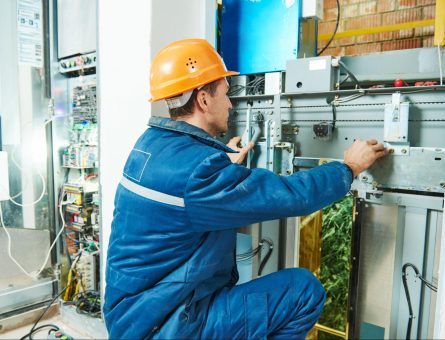
Marine Lift Troubleshooting: Common Lift Problems
Marine lifts operate in some of the harshest environments in the world. From luxury superyachts to offshore platforms and naval vessels, lift systems must withstand constant vibration, vessel movement, moisture exposure, limited space, and strict safety regulations. Without regular passenger lift, marine dumbwaiter, and professional cargo lift inspection services, even minor issues can quickly develop into major operational failures.
Marine Lift Engineering Challenges in Harsh Environments
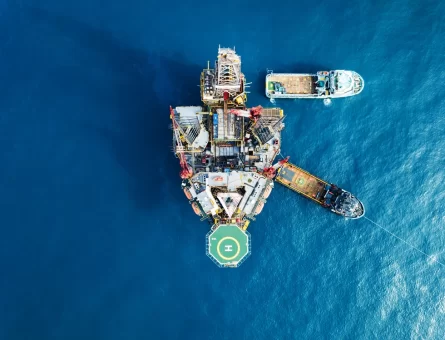
Designing and delivering marine lifts is a highly specialised discipline, one that sits at the intersection of mechanical engineering, naval architecture, and safety-critical system design. In harsh maritime environments, where vessels are constantly exposed to motion, moisture, temperature extremes, and strict regulatory frameworks, lift engineering becomes significantly more complex than its land-based counterpart.
Different Lift Design Options: Engineering Marine Elevators
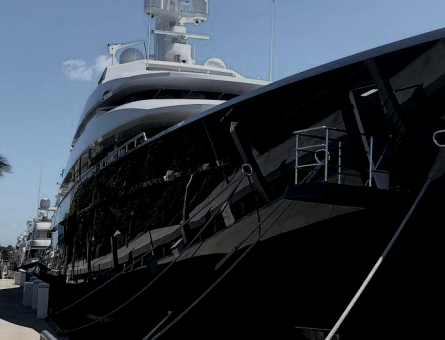
Designing a marine lift requires a highly specialised and experience-led approach. Each project is developed around the vessel’s layout, operational needs, and environmental constraints. This ensures every lift system is engineered for safety, reliability, and performance, while meeting the specific demands of yachts, offshore vessels, and naval ships.
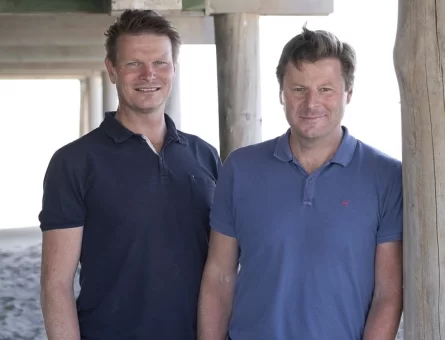
Meeting The Owners At HML: Emile and Jeroen van de Starre
In the specialised world of maritime engineering, few systems require the combination of precision, safety, and design integration demanded by marine lifts. Emile van de Starre shared the company’s story, and we learned how the company has become a trusted supplier of superyacht lifts, naval lift systems, and offshore maritime elevators. After two years, Emile’s brother Jeroen bought shares, and both have been running the company successfully ever since.
Lift Spare Parts & Repairs: HML Ensures Minimal Downtime
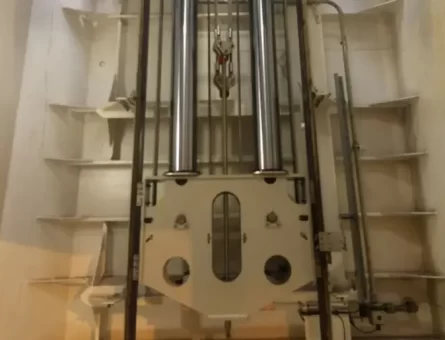
On board yachts, offshore vessels, and naval ships, lift reliability is essential. While serious lift failures are rare, wear and unexpected faults can all affect lift operation over time. At HML, our approach is built around one clear objective: the lift must keep running. Through structured inspections, careful spare-part planning, and fast action when issues arise, we minimise downtime while keeping maintenance practical and cost-effective.
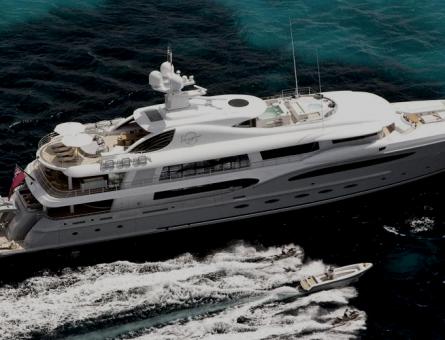
How HML Support Chief Engineers in Yacht Lift Maintenance
On superyachts, chief engineers are the first line of defence when it comes to identifying problems with onboard lifts. Whether the vessel is equipped with a hydraulic cargo lift, a sleek cylindrical guest lift, or a compact dumbwaiter, the chief engineer is the one who can identify potential issues that may have been observed by other crew members. Although at HML, we perform annual inspections and provide certification for the next 12-18 months, engineers can flag any issues between visits or request further support. Noticing these early warning signs can help prevent them from becoming operational failures.
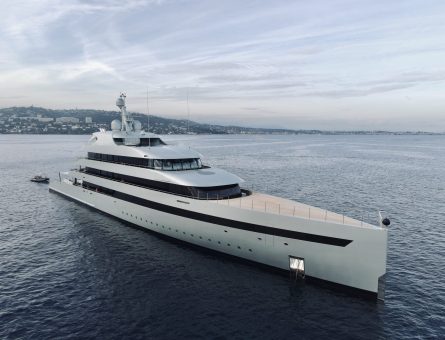
The Global Reach of HML: We Service Lifts Around The World
Servicing yacht lifts across international waters presents unique logistical challenges. Our technicians travel to locations spanning Florida, Italy, France, Spain, and beyond, ensuring lifts remain fully operational for superyachts and working vessels alike. Each visit requires careful planning, including flights, visas, accommodations, and spare parts. All of these elements are carefully coordinated to ensure efficiency and minimise unnecessary downtime. In some cases, a part needs to be sourced locally or shipped internationally, which demands flexibility and fast problem-solving to minimise downtime.
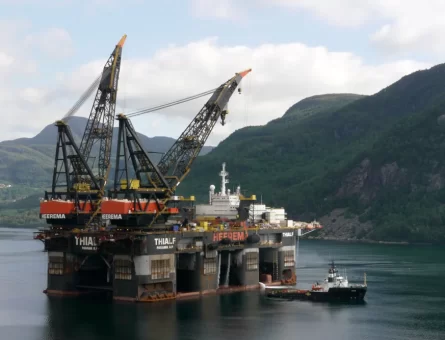
Offshore Lift Maintenance: Safety and Reliability at Sea
In the demanding world of offshore operations, lift maintenance is about far more than convenience; it’s a matter of safety, efficiency, and reliability. Whether on board a drilling platform or a naval support vessel, offshore lifts endure extreme conditions and heavy daily use, making regular maintenance essential.
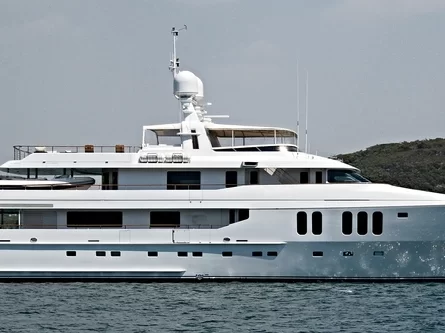
Behind the Scenes: Installing a Lift on a New Superyacht
With a new build project, a yacht lift must be designed and engineered with precision, styled to complement the interior, and maintained for long-term performance at sea. Holland Marine Lifts are a trusted name in marine lifts with decades of experience in building and servicing bespoke systems.