
Marine Lift Troubleshooting: Common Lift Problems
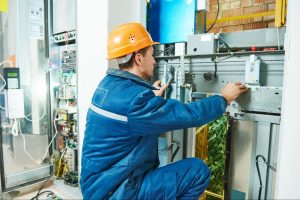
Marine lifts operate in some of the harshest environments in the world. From luxury superyachts to offshore platforms and naval vessels, lift systems must withstand constant vibration, vessel movement, moisture exposure, limited space, and strict safety regulations. Without regular passenger lift, marine dumbwaiter, and professional cargo lift inspection services, even minor issues can quickly develop into major operational failures.
Our decades of experience designing lift marine systems for yachting, navy, and offshore industries have provided valuable insight into the most common marine lift problems and how they can be prevented through proper maintenance and annual lift inspection schedules.
Door Problems: The Most Common Marine Lift Issue
Lift doors are one of the most frequent causes of marine lift faults. In marine environments, lift doors are exposed to constant vibration, vessel movement, humidity, and dirt build-up. If thresholds are not cleared regularly or doors become slightly misaligned, the lift may fail to operate correctly.
Common door-related problems include:
- Doors not closing fully
- Door alignment issues
- Sensor faults
- Dirt inside thresholds
- Increased noise during operation
Because marine lifts rely heavily on safety interlocks, even a small issue with a door contact can prevent the entire lift from travelling. Lift safe inspection procedures help identify these problems early, before they affect vessel operations.
Steel Rope Wear and Lift Component Fatigue
Steel ropes and guide systems naturally wear over time, particularly in offshore lift and naval lift environments where heavy loads and constant motion place additional stress on components.
Typical warning signs include:
- Frayed or worn steel ropes
- Increased vibration
- Noise from guide rails
- Uneven lift movement
- Reduced ride smoothness
At HML, all lift inspections include detailed checks of steel ropes, guide shoes, guide rails, and hydraulic seals. These are standard wear items that require replacement periodically throughout a lift’s operational lifespan.
With proper maintenance and annual lift inspections, a marine lift can operate reliably for over 20 years.
View our marine lift inspection services
Poor Maintenance and Cleaning
One of the biggest contributors to lift failure is inadequate routine maintenance. Marine lift systems rely on regular cleaning, lubrication, and inspection to perform safely in corrosive maritime conditions.
If guide rails are not greased properly, friction and operational noise can increase significantly. Dirt inside thresholds can prevent doors from functioning correctly, while neglected hydraulic components may begin leaking or lose performance.
Regular lift inspection services are essential for:
- Checking hydraulic seals
- Lubricating guide rails
- Inspecting thresholds
- Testing safety systems
- Monitoring door performance
- Identifying early wear patterns
Annual lift inspection schedules allow engineers to identify small issues before they lead to costly downtime or component failure.
Corrosion and Saltwater Exposure
Corrosion remains one of the biggest long-term threats to lift marine systems. This is especially true for offshore lift and naval lift installations where lifts may extend through open decks and face direct exposure to rain, seawater, and harsh weather.
To combat corrosion, marine lift systems often use:
- Marine-grade stainless steel 316
- Specialist paint systems
- Corrosion-resistant coatings
- Greased guide rail systems
- Rounded steel edges for improved paint coverage
Lift inspection services should include corrosion assessments, paint thickness checks, and inspections of exposed structural components.
Without proper life safe inspections, corrosion can weaken structural integrity and reduce overall lift reliability.
Hydraulic System Problems
Hydraulic lifts are widely used across marine applications due to their reliability and compact design flexibility. However, hydraulic systems still require regular maintenance and inspections.
Common hydraulic issues include:
- Fluid leaks
- Worn hydraulic seals
- Pressure loss
- Slow lift movement
- Hydraulic overheating
During all lift inspections, engineers typically perform hydraulic pressure tests and overpressure testing to verify system integrity.
We also perform static load testing with up to 125% load capacity during commissioning and inspection procedures to ensure safe operation under extreme conditions.
View our portfolio of marine lift clients
Noise and Vibration Challenges
Marine lifts operate in constantly moving environments where rolling, pitching, and vibration place continuous stress on lift systems.
Noise and vibration issues may indicate:
- Worn guide shoes
- Drive deterioration
- Poor lubrication
- Cable movement problems
- Alignment issues
Modern lift marine systems increasingly use vibration monitoring systems to support preventive maintenance programmes. By measuring vibration levels over time, engineers can identify components beginning to deteriorate before failure occurs.
In luxury yacht applications, we have also developed wireless lift car technology to reduce noise caused by moving electrical cable chains.
Safety System Failures
Marine lifts are designed with multiple integrated safety systems to protect passengers and maintenance personnel. However, these systems must be tested regularly through lift inspections.
Important safety systems include:
- Door interlocks
- End limit switches
- Emergency lowering systems
- UPS emergency power systems
- Fire response controls
- Hatch interlock systems
In the event of a power failure, many marine lifts are equipped with UPS systems that automatically lower the lift to the nearest deck and open the doors safely.
Lift safe inspections ensure these emergency systems continue functioning correctly throughout the lift’s operational life.
Why Annual Lift Inspections Matter
Marine lifts operate under far more demanding conditions than standard land-based lifts. Vessel movement, limited shaft space, offshore exposure, and strict marine regulations all place additional stress on lift systems.
Professional lift inspection services help vessel operators:
- Reduce downtime
- Improve passenger safety
- Extend equipment lifespan
- Maintain regulatory compliance
- Identify wear before failures occur
- Protect long-term operational reliability
At HML, annual lift inspection programmes are tailored specifically for marine, offshore, and naval environments.
Expert Lift Inspection Services From Holland Marine Lifts
Since 2002, we have specialised in designing and maintaining advanced lift marine systems for superyachts, offshore platforms, and naval vessels. With extensive experience in annual lift inspections, we deliver reliable solutions built for demanding maritime environments.
From troubleshooting door alignment issues to upgrading hydraulic systems and replacing ageing controllers, we provide comprehensive lift inspection services that help clients maximise safety, reliability, and lift performance for years to come.
Contact HML to solve your marine lift problems