
Bespoke Lift Design in Space-Constrained Vessels
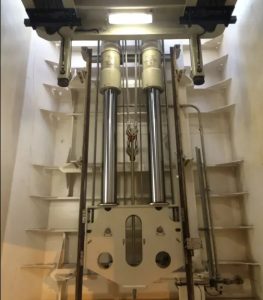
Designing lifts for a vessel is unlike designing a lift for a building. Every ship and yacht has its own structural layout, operational purpose, and space limitations, meaning there is no one-size-fits-all solution. Whether a lift is being installed on a luxury superyacht, an offshore vessel, or a naval ship, every project begins by understanding how the lift will be used and how it can be integrated within the available space.
At Holland Marine Lifts, bespoke lift design is driven by the operational requirements for each vessel rather than standard dimensions. By working closely with shipyards and clients from the earliest stages of a project, the company develops bespoke elevators that meet the vessel’s specific needs while making the most of the available space. This collaborative approach enables us to deliver reliable bespoke lift solutions for projects across the global marine industry.
Find out more about HML’s premium lift craftsmanship
Every Bespoke Lift Design Starts with Understanding the Vessel
Rather than beginning with fixed shaft dimensions, the engineering team first establishes the lift’s intended purpose. For example, an offshore or naval vessel may require a lift capable of transporting pallets between several decks. In that case, the dimensions of the pallet, the required safe working load, the number of decks the lift will serve, and the desired travelling speed all influence the final lift design. Only once these requirements have been defined can engineers calculate the minimum shaft dimensions and determine how the lift will be integrated safely into the vessel’s structure.
This approach ensures every bespoke lift is engineered specifically for its intended application rather than adapting a standard product to fit.
Space Constraints Require Early Collaboration
Space is one of the biggest considerations in marine lift design. Unlike land-based buildings, vessels have fixed structural boundaries, meaning there is often little flexibility once the layout has been established. For this reason, we discuss space requirements with clients at the very beginning of every project. Once the minimum space required for safe operation has been calculated, this is compared with the available space onboard. If the allocated area is too small, discussions take place to determine whether the vessel design can be adjusted or whether the lift car itself needs to be redesigned.
These conversations happen at the earliest project stage so both the client and engineering team fully understand what is required and what is physically achievable within the vessel. This collaborative design process forms the foundation of every bespoke lift design undertaken by HML.
Common Challenges When Designing Marine Lift Shafts
Even when sufficient shaft dimensions have been agreed, additional structural elements can reduce the available installation space. One of the most common challenges encountered during the design phase is that structural stiffeners and insulation are sometimes overlooked during the initial planning process. While a shaft may appear to provide the required dimensions on paper, the addition of structural stiffeners and insulation can significantly reduce the usable space inside the shaft.
These seemingly small details can affect the overall installation, making early coordination between designers, shipyards and lift engineers essential. By identifying these issues before construction progresses, we help minimise costly design changes later in the project.
Finding Practical Solutions Within Limited Space
Space limitations do not necessarily prevent a lift from being installed. Instead, they often require practical engineering solutions that improve usability without increasing the overall footprint.
As an example, we have developed standard entrance solutions for applications involving pallet transport. Where watertight or weathertight doors create thresholds that make moving pallets difficult, a folding flap can be incorporated to bridge the threshold, allowing equipment to move smoothly into and out of the lift.
Although relatively simple, solutions such as these demonstrate how bespoke elevators are developed around the operational needs of each vessel while working within the available space.
Check out our range of marine lifts
Safety Is Designed Into Every Lift From The Beginning
Designing within limited space must never compromise safety.
One of the biggest safety considerations is providing sufficient protection for engineers carrying out maintenance within the lift pit. Unlike buildings, vessels often cannot accommodate the ideal pit depth due to structural limitations. Where safe working space is restricted, additional safety measures, such as removable or automatically deployed safety poles, can be incorporated to provide physical protection for maintenance personnel.
Fire protection is another key consideration that directly influences lift design. Because lift doors pass through multiple decks, they must comply with marine fire protection requirements to help maintain the vessel’s fire boundaries. Material selection also plays an important role, with marine-certified cabling and carefully selected components helping reduce the risk of toxic smoke during a fire.
Regulations Shape Bespoke Lift Design
Marine lifts operate under strict international regulations, particularly within the offshore and naval sectors.
Once we have completed a design, detailed calculations, production drawings and material specifications are submitted to classifications such as Lloyd’s Register, DNV or ABS for review. Production can only begin once the design has received formal approval.
Throughout manufacturing, classification surveyors continue reviewing materials, welding procedures and inspections before witnessing final testing onboard the vessel. This rigorous approval process ensures every bespoke lift is manufactured in accordance with the required marine standards.
Designing for Long-Term Reliability
Space-efficient lift design also means considering long-term operation and maintenance.
Modern lift controllers are becoming smaller, lighter and more intelligent, allowing engineers to monitor operational data and fault histories more effectively. For some offshore and naval applications, vibration monitoring can also be incorporated to identify changes in equipment performance over time, supporting preventative maintenance before component wear becomes a larger issue. For superyachts, we have also developed a wireless lift car solution that removes the traditional travelling cable between the lift car and controller. By replacing signal cables with a secure wireless connection and onboard batteries, the systems help reduce operational noise while creating a cleaner appearance for glass lifts where visible cables would otherwise detract from the interior design.
Discover our portfolio of past projects
Protecting Marine Lifts in Challenging Environments
Environmental conditions also influence the overall lift design.
Where lifts are exposed to weather, we carefully select corrosion-resistant materials, including stainless steel components, while following appropriate marine paint specifications to provide long-term protection. Paint thickness, surface preparation and the elimination of sharp edges all contribute to improving coating performance. Guide rails are protected through automatic lubrication systems that apply grease during normal lift operation, helping to maintain reliable performance over time.
Ventilation is another important design consideration. Both the lift shaft and lift car incorporate ventilation in accordance with marine regulations, ensuring fresh air remains available should passengers become temporarily trapped following a power outage.
Planning for Emergency Situations
Emergency operation is considered during the design stage rather than after installation.
Most of our systems incorporate an uninterruptible power supply (UPS), allowing the lift to travel safely to the next landing and automatically open its doors following a power failure. Where required, lift operation can also be programmed to respond differently during specific scenarios, such as travelling to a designated deck during a fire alarm or integrating with the vessel’s emergency power systems.
These programmable functions allow every bespoke lift design to be tailored to the operational procedures of the individual vessel.
Designing marine lift shafts in space-constrained vessels is not about forcing a standard lift into a restricted area. It is about understanding how the lift will be used, identifying the available space from the outset and developing engineering solutions that meet both operational and safety requirements.
At Holland Marine Lifts, every bespoke lift design begins with close collaboration between the client, shipyard and engineering team. By carefully assessing lift purpose, capacity, structural limitations and regulatory requirements, the company develops bespoke elevators that are engineered specifically for each vessel. Whether supporting superyachts, offshore vessels or naval projects, every bespoke lift is designed to make the most of the available space while delivering safe, reliable performance throughout its service life.
Contact HML for your bespoke lift designs