
Noise and Vibration Engineering in Marine Lifts
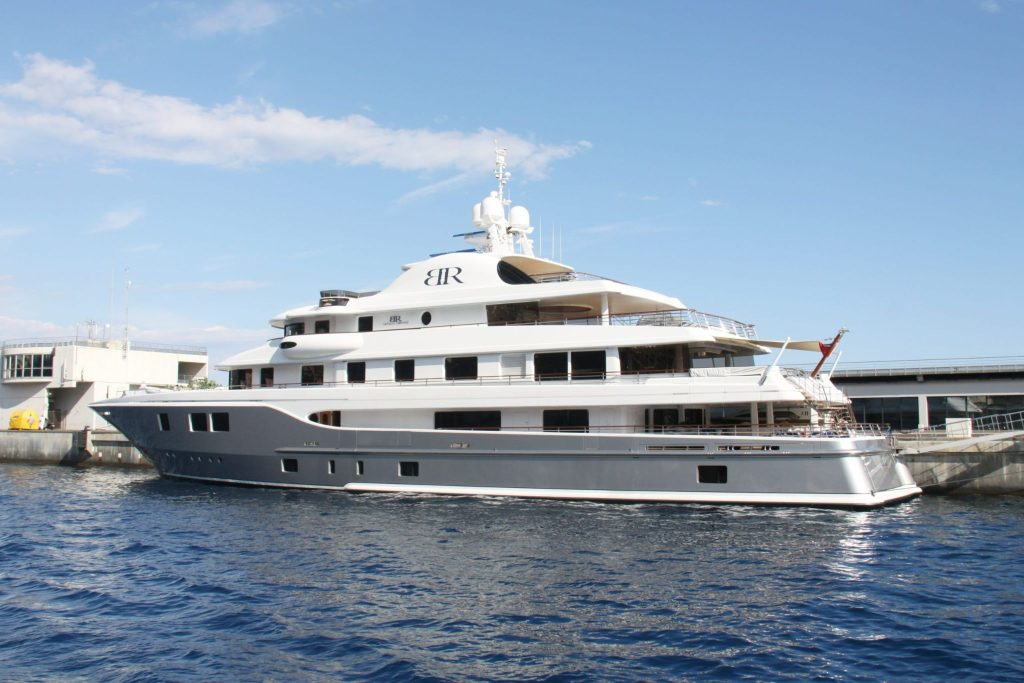
Noise and vibration are important considerations when engineering lifts for yachts and other marine environments. We can monitor vibration sources at key points within the lift, and maintenance plays an important role in preventing unnecessary noise caused by wear, friction, or misalignment. For vessels where quiet operation is particularly important, we have also developed wireless technology that reduces noise associated with the conventional cable connection between the lift car and its fixed controller. By considering noise and vibration during design and monitoring the lift throughout its working life, we can identify potential deterioration before it becomes a bigger problem.
Where Does Vibration Come From in a Marine Lift?
We use vibration indicators to measure vibration around the lift drive, which is identified as the main area where vibration is generated. Vibration can also be measured at the guide shoes. Monitoring these areas can provide an indication of how the lift is performing. If a lift drive is operating smoothly, vibration should remain low. If vibration increases as the lift ages, this can indicate that components are deteriorating and may eventually require replacement.
This makes vibration monitoring particularly useful for preventative maintenance, particularly in naval and offshore applications, where tracking the lift condition can help determine when servicing is required.
How Maintenance Can Affect Lift Noise?
Maintenance can have a direct effect on the noise produced by a lift. We identify several issues that can contribute to noise when a lift is not properly maintained. Guide rails require lubrication, and insufficient greasing can increase friction and noise as the guide shoes move along the rails. An automatic oil pot mounted on top of the lift car applies a small amount of oil to the guide rail surface during each ride, helping to ensure smooth, quiet operation.
Doors are another common source of increased noise. Ones that are not properly cleaned or aligned lead to operational issues. Steel ropes can also wear over time and may require replacement as part of a planned servicing programme. Regular maintenance helps keep the lift operating smoothly while reducing faults that can contribute to unwanted noise.
Discover what else is included in our annual lift inspections
Wireless Technology for Quieter Superyacht Lifts
A conventional lift car uses an electrical cable connection between the moving car and a fixed point or controller. On a vessel, the movement of the lift car causes this cable to swing. The cable can potentially catch behind bolts and break, which can stop the lift from operating. The cable is traditionally contained within a chain and metal frame to manage its movement, but this arrangement also creates noise.
To address this, we have developed a wireless connection for the lift car. The system uses Bluetooth to transmit push-button signals to the car, while small batteries beneath the car floor provide power for lights and other functions.
We refer to this as a wireless car. In addition to removing the conventional cable connection, the system reduces the associated noise. It is particularly suited to applications where quiet operation is important, especially on superyachts.
Using Vibration Monitoring for Preventative Maintenance
Vibration monitoring can do more than identify current operating conditions. It can also help indicate how the condition of a lift is changing over time. Our newer controllers are smaller and lighter, while also providing more information about lift operation and faults. In naval and offshore applications, vibration indicators can be used as part of preventive maintenance.
For example, if vibration at the lift drive increases as the system ages, this can indicate deterioration. Identifying this change can help determine whether components may need to be replaced before the problem develops further. This approach allows vibration to become an indicator of the lift’s condition rather than simply an issue to address once a fault has occurred.
Why Regular Maintenance Still Matters
Technology such as vibration monitoring can help identify deterioration, but regular maintenance remains important for controlling the factors that can contribute to noise. We recommend annual site visits to check the lift, while customers should keep thresholds clean and make sure doors are closing correctly.
From our experience, with appropriate maintenance, a lift will run for another year without requiring significant intervention. When issues such as leaks or other problems occur, they can then be investigated before they develop further.
Engineering Marine Lifts for Quieter Operation
At HML, we combine vibration monitoring, regular maintenance, and wireless lift technology to help reduce noise and identify potential deterioration. These measures are particularly valuable on superyachts, where quiet operation is an important consideration.